

Trajectory - A Rocket Portfolio



A little about me… 😎
Welcome to my model rocketry portfolio!
This repository showcases my journey designing, building, and launching model rockets. You'll find CAD models, 3D-printed parts, analysis, and code for each project.
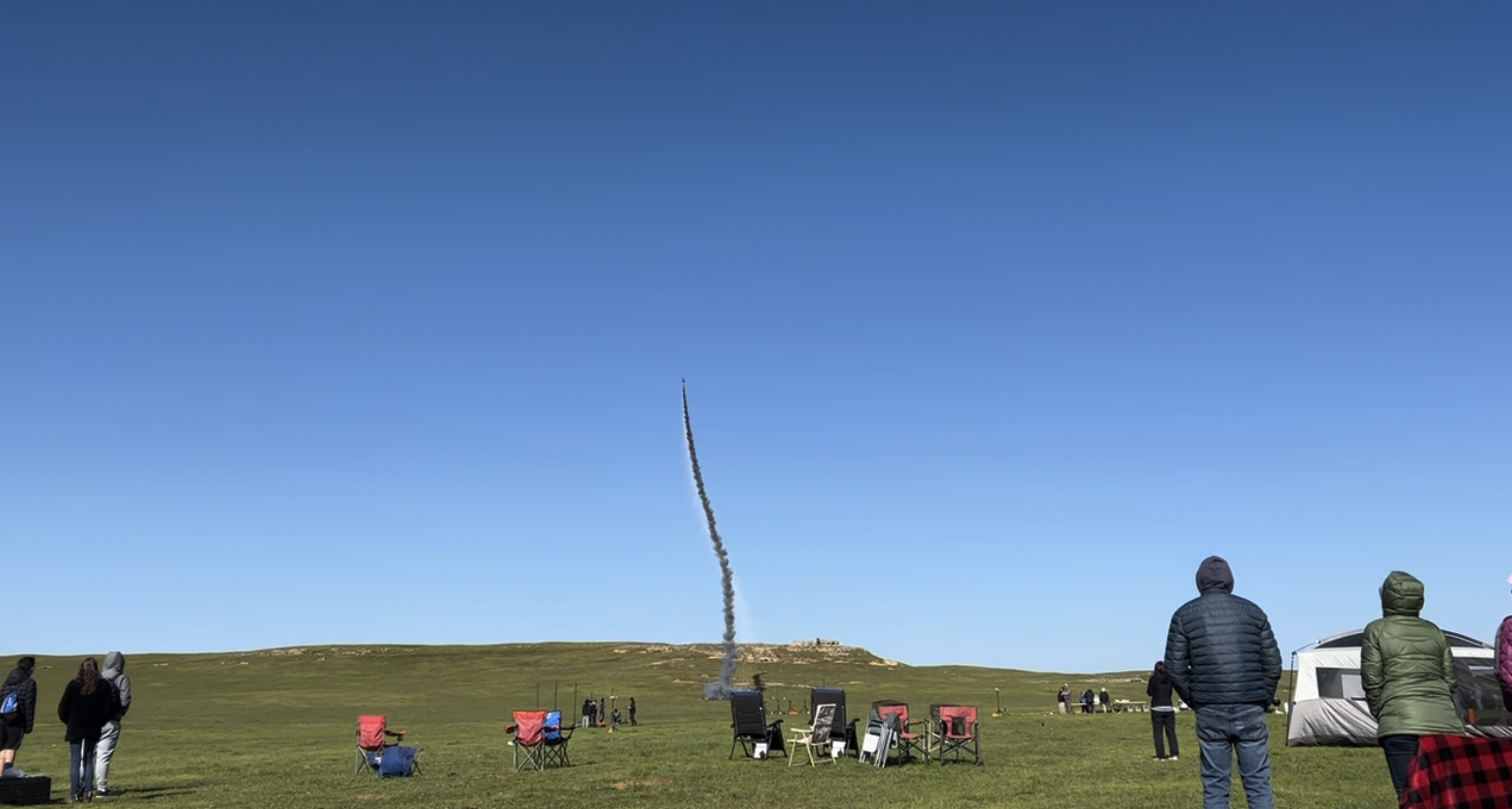
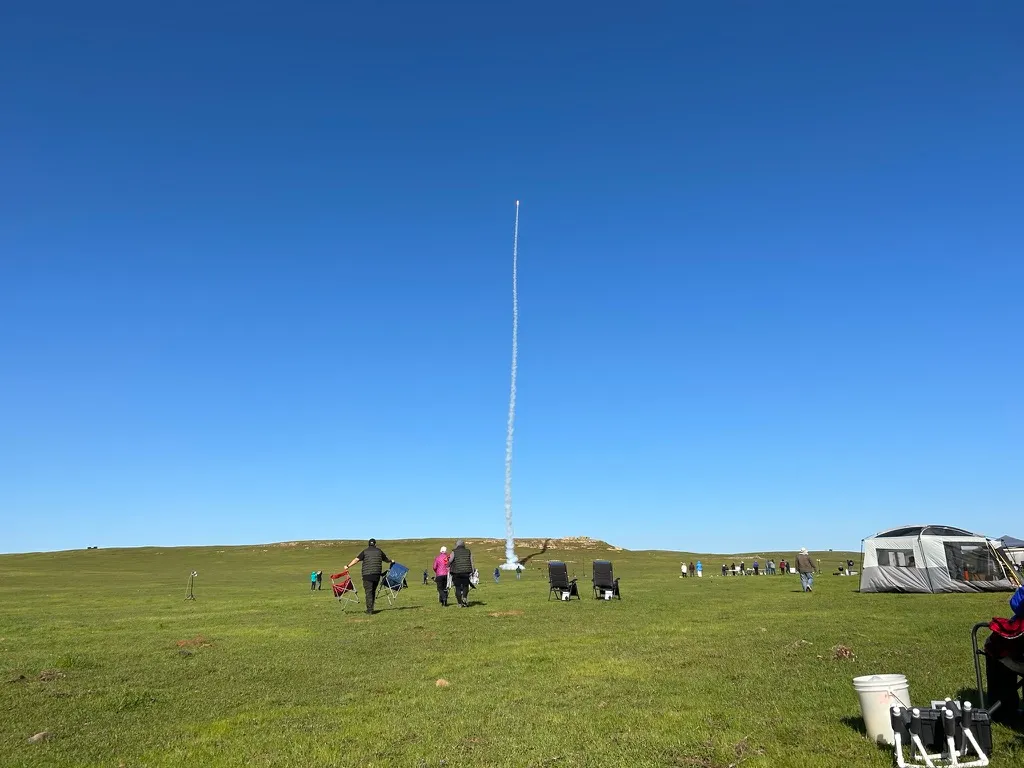
I'm Connor, a high school student using rocketry to build engineering foundations. Based in the Bay Area, I'm a NAR member with three years and ~20 launches of experience. I participate in launches at Hollister and Snow Ranch when possible. My current goal: earning my Level 1 certification for higher-impulse motors.
Beyond rocketry, I have two other passions:
Varsity Robotics
I'm on my high school's varsity robotics team, specializing in mechanical design. We compete in the FIRST Robotics Competition (FTC), building competition robots under tight deadlines. My focus areas:
- Creating efficient drive systems with CAD and 3D printing
- Fabricating custom parts and complex mechanisms
- Developing mechanical subsystems for specific challenges
Mountain & Road Biking
When not building, I'm like to go biking in the South Bay:
- Mount Umunhum: 9.5 miles, 3,500+ feet elevation, spectacular views
- Mount Hamilton: 18-mile climb to Lick Observatory
- Off-road trails: fun downhills and challenging terrain
Cycling provides a good way for me to get exercise and clear my mind
My current flagship rocket is the Crimson Dragon - details in the projects section below.
About this repository:
•
Introduction to who I am, what I've built, and my goals
• Organized by project
stages with overview documents under /proj
• Written to be beginner-friendly,
though some technical terms are included
(Note: some content published from my earlier account; all new updates published here)
Interested in collaboration? See contact information at the bottom of the page
Hi! I’m Kaeden
I’m Kaeden. I’m also a high school sophomore, and I’m interested in using engineering to create meaningful projects. I love using CAD models to create 3D-printed objects that I can use in my personal projects.
Robotics Engineering
I’ve taken a range of courses in engineering and robotics engineering, and I’m excited to keep building on that foundation through hands-on, real-world projects. My goal is to integrate thoughtful design with practical building to create solutions that make a positive impact in my community.
After Hours
I love to stay active and keep a consistent routine. It helps me stay focused, manage stress, and bring more energy into school and engineering projects.
- Competitive tennis (training + matches)
- Runs for endurance and recovery (also to unwind from a rough day)
- Working out to build strength
Introduction to the Directory - (Click arrow link for quick access)
Below is an overview of each category:
- 🚀 Projects & Builds —>
Build logs, assembly docs, flight results, lessons learned
- 📊 Simulations —>
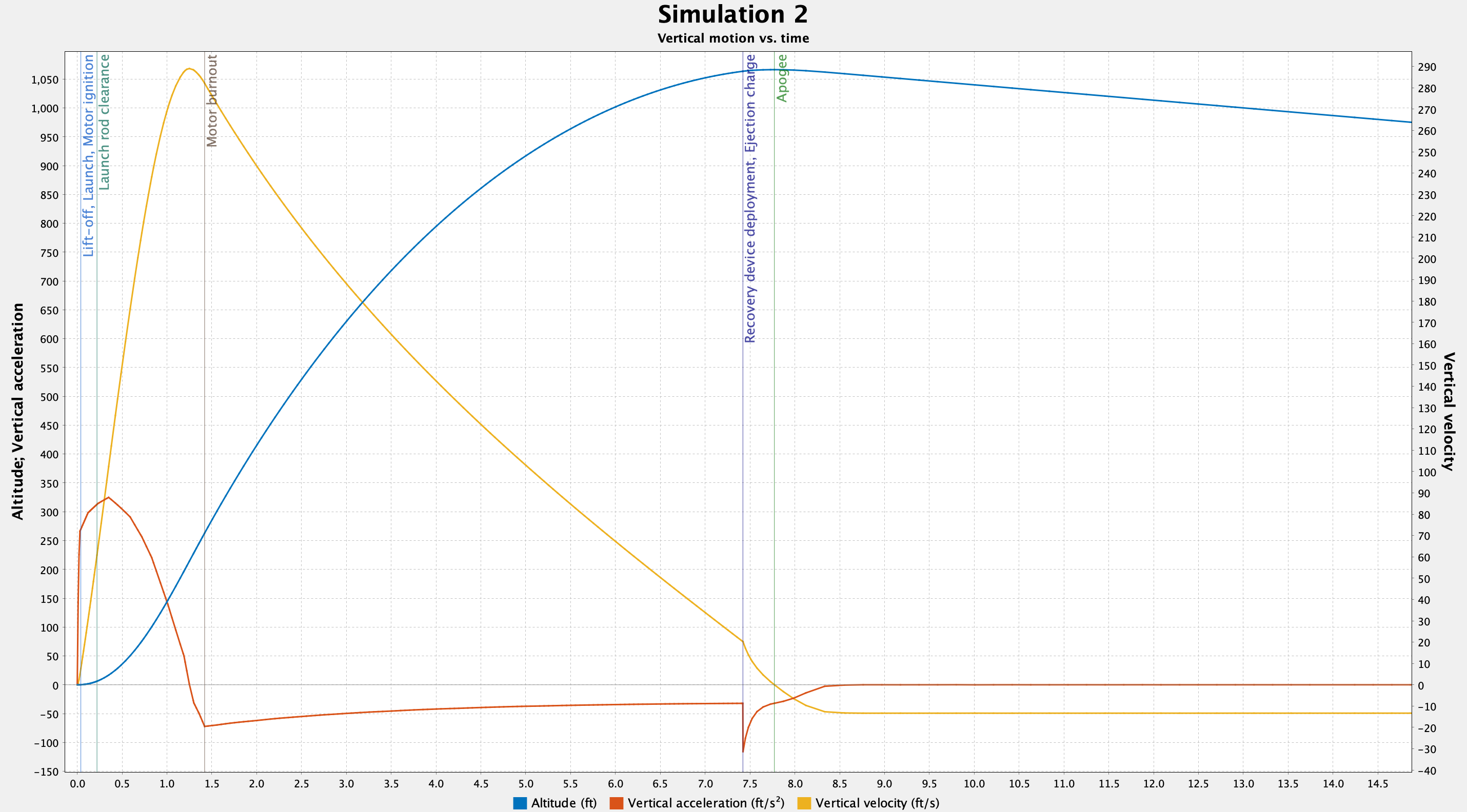
OpenRocket + flight predictions for stability, altitude, recovery behavior
- 🧪 CFD Sims —>
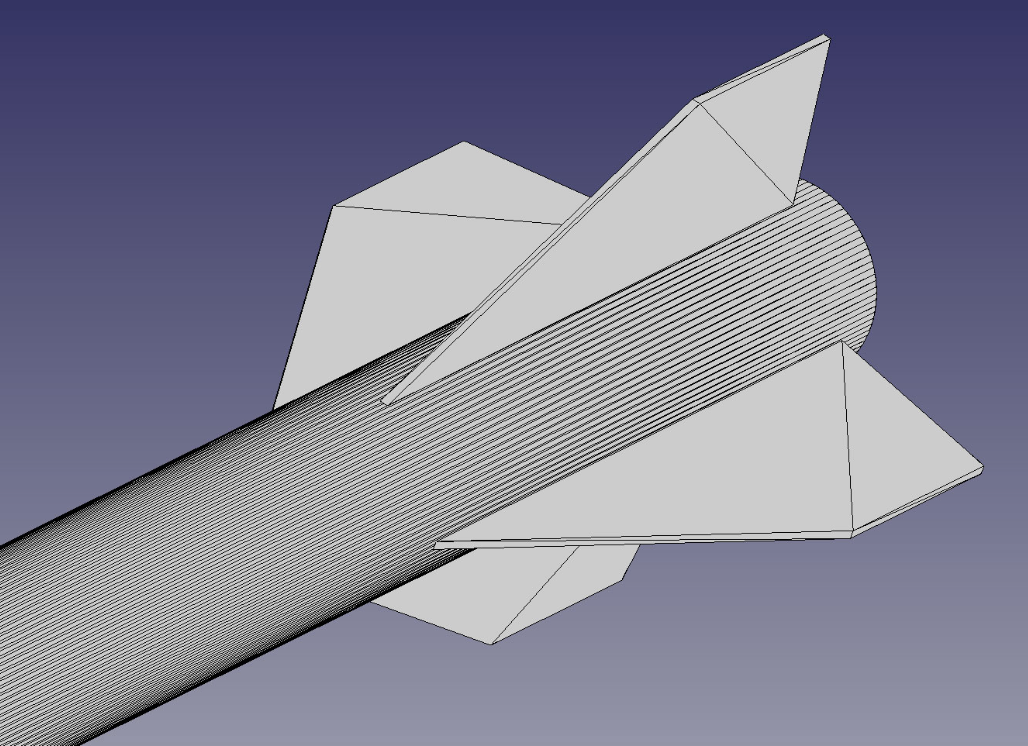
Drag, pressure, airflow analysis to optimize shapes before printing anything
- 🛠 CAD —>
Fusion/Onshape models for parts, airframes, mounts, and assemblies
- 🧠 Notes —>
Raw thoughts, questions, math
- 🔌 Telemetry —>
Flight computers and cameras onboard rocket
- Digital Optimization —>
Openrocket digital designs combined with simulations
Timeline & Milestones ♣︎
2022 — First Launch (Farmington, CA)
- Kit-built rocket, ~500 ft flight
- Learned recovery system fundamentals
2023 — Stratos
- Reached ~1,000–1,200 ft
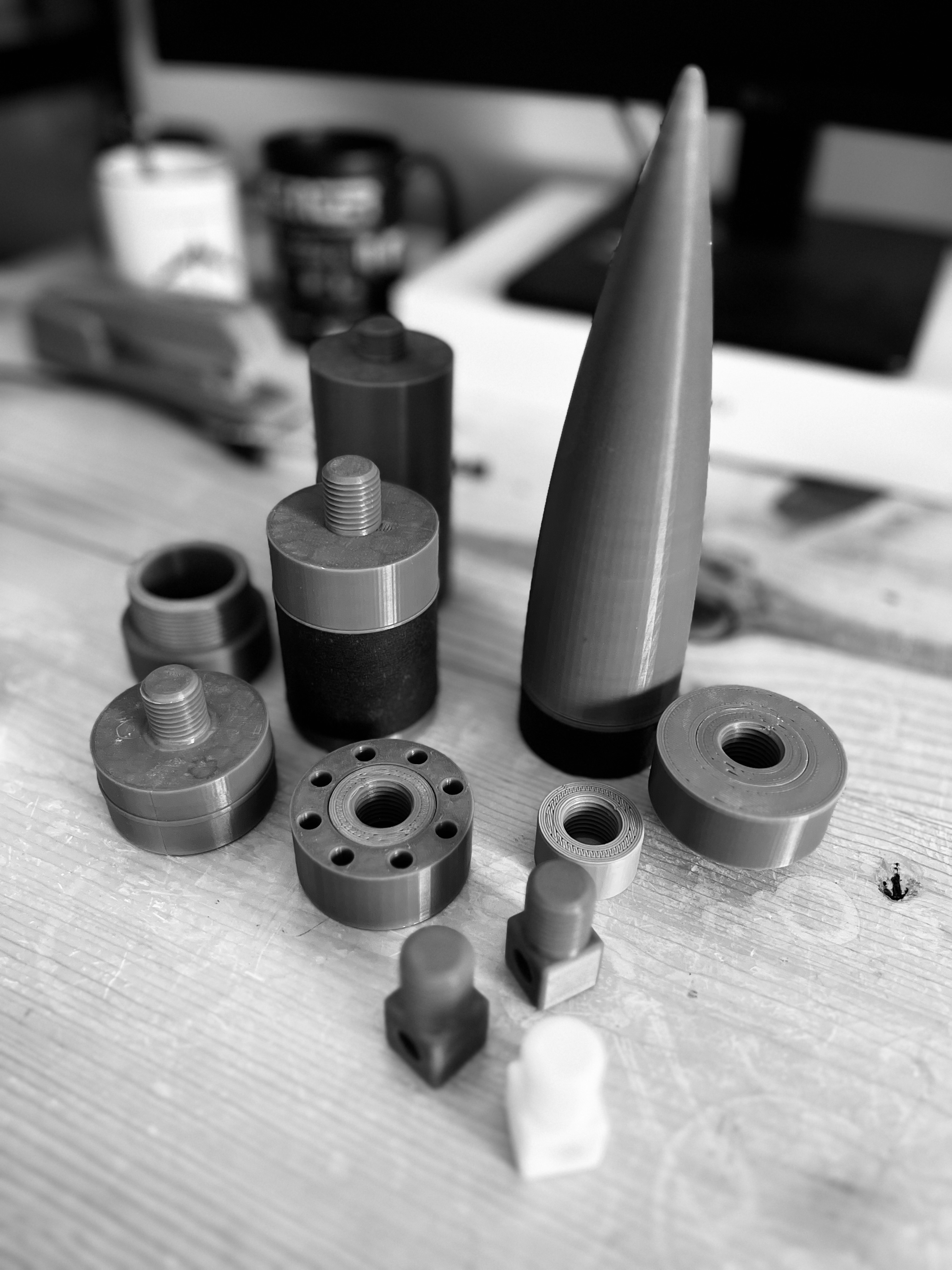
- Scratch-built rocket, used 3D printing for a modular flight bay
- First 3D-printed body components and introduced telemetry and altimeter
2024 — Bloodhawk Project
- Full 3D-printed design, save body tubes and parachute
- Achieved 1,500 ft; first 3D-printed body components
- Dual-deployment recovery
2025 — Level 1 Prep + 1 Mile Roadmap
- Designing larger airframe and portfolio for revision history
- Avionics testing and CFD simulation work
To-Do List / Concepts
Not Started
 Idea
name Idea
name |
 Category Category
|
 Description Description
|
|---|---|---|
 CAD
Engine Tube CAD
Engine Tube |
Rocketry | Design sloping tube since current engine lock ring doesn’t fit due to increased tube thickness |
| CFD
Screenshots Into Repo |
Rocketry | Upload updated CFD simulations and diagrams into the repo and future Notion page since any more projects have not been uploaded since |
| Upload
Specific Designs |
Rocketry | In proj, make uploads about the individual versions of each designed parts, as well as failure analysis if applicable. (From CAD software as well) |
| Change
Explanation |
Rocketry | Explain the differences and upgrades between each iteration of part/project |
| Update
Roadmap |
Rocketry | Refresh the repo roadmap to be up to date on all of the events that are happening while rocket is not being built |
| 3D
Print with Raspberry Pi |
Engineering | Be able to link the 3D printer to a remote USB to have the ability to 3d print remotely |
| Design
Notion Page |
Engineering | Design a custom Notion page to try to make the rocketry github repo more user friendly and easy to read |
| Launch
a Travel Notion template |
Engineering | Design modular screw system that allows for the inter-linking of modular rocket parts |
Key Skills & Tools ✂︎
Skills
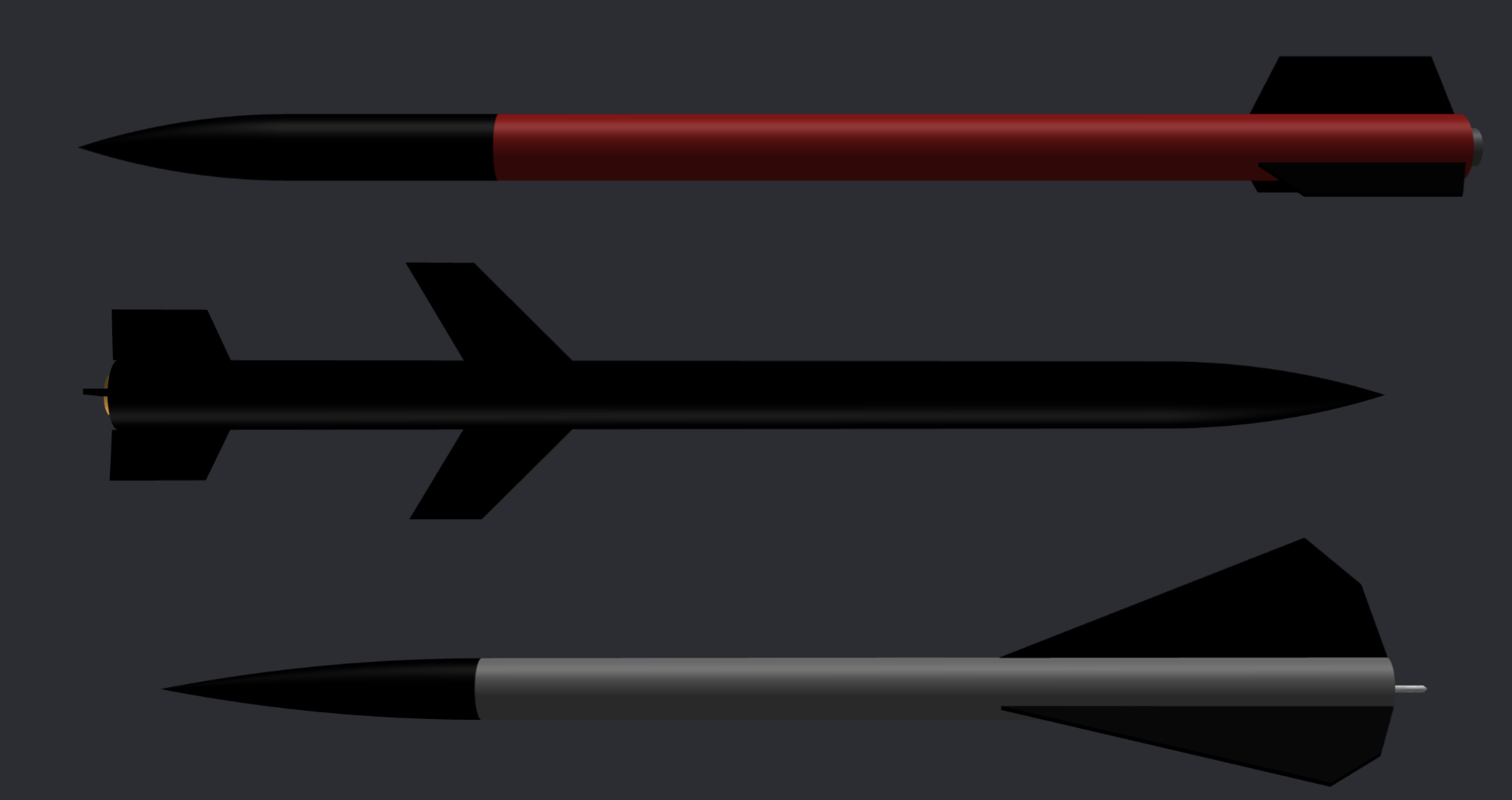
- Rocket design & stability analysis (OpenRocket)
- CAD modeling & 3D printing (Autodesk, custom parts, couplers, mounts)
- Recovery systems engineering (dual deployment, parachute sizing, shock cord design)
- Avionics & telemetry integration (altimeters, GPS trackers, data logging)
- Structural & mechanical systems (staging, bulkheads, motor retention)
- Project documentation & version control (GitHub repos, build logs, analysis)
Tools & Software
- Autodesk Fusion, Onshape, Shapr3d, Blender (CAD)
- OpenRocket (flight simulations)
- CFD basics (aerodynamic modeling, BARAM-mesh, BARAM-flow)
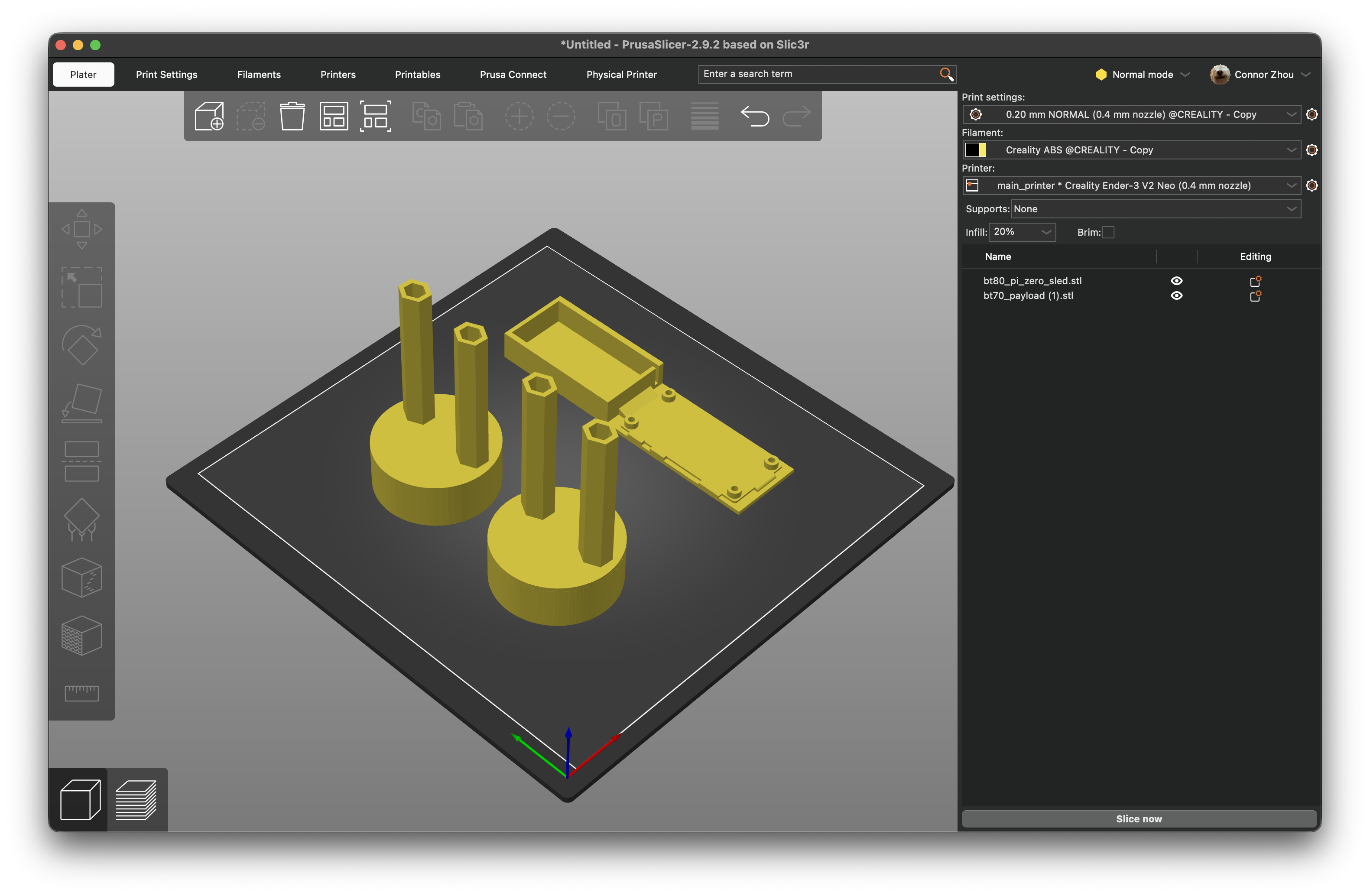
- 3D printing (Ender, PrusaSlicer)
- Electronics (Arduino, Adafruit boards)
- Programming (Python for data analysis, Arduino/C for embedded systems)
- Git & GitHub (for version control and documentation)
Flagship Projects ⌘
-
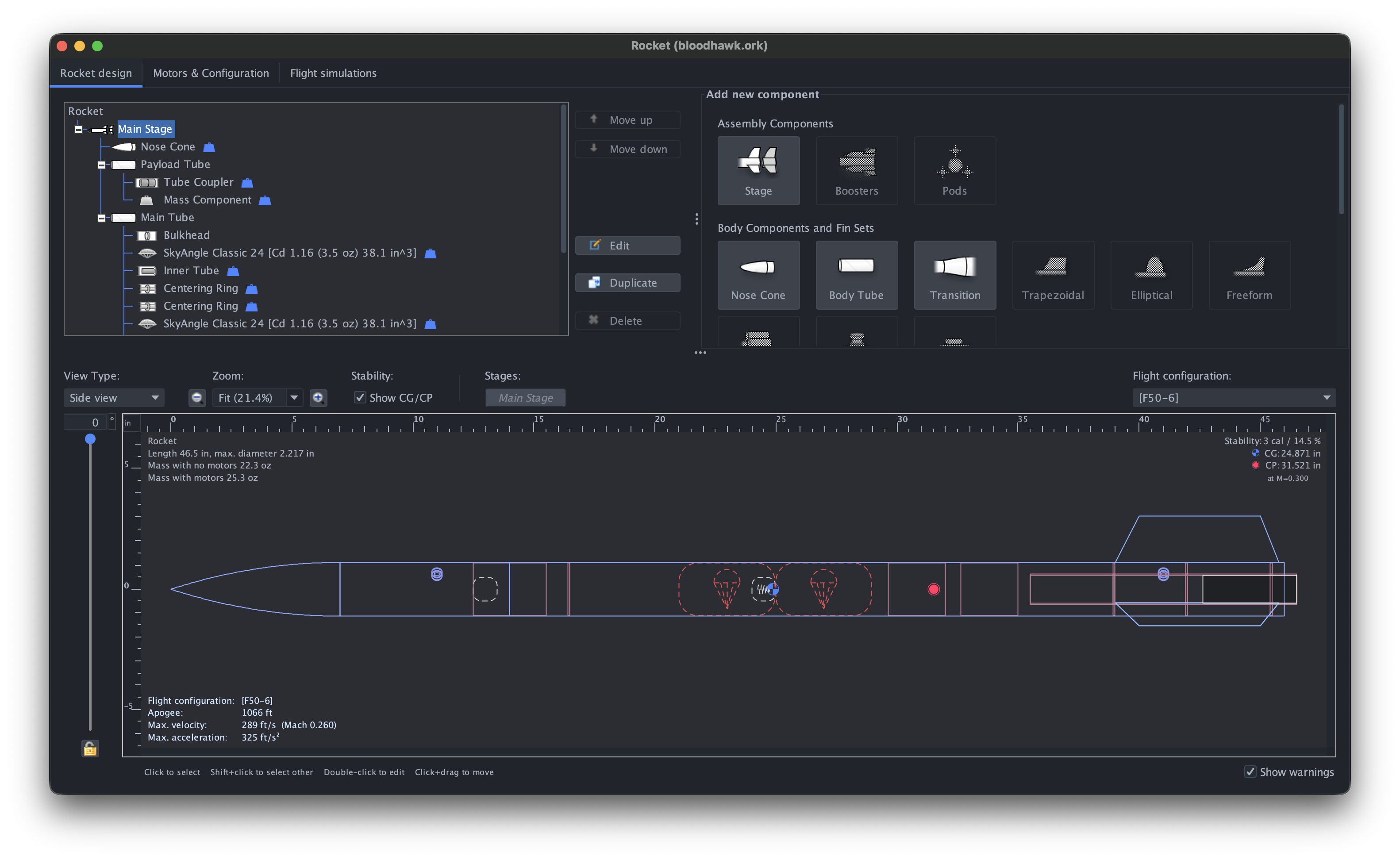
Bloodhawk:
- 2.2” diameter
- ~ 4ft tall
- F50-6 Engine
- Designed for altitudes around 1500 FT, with dual-deployment recovery systems
- Carry capacity of 400g, first of its generation with most of the rocket being 3D printed
-
Phoenix:
- 2.6” Diameter
- ~ 5.5ft tall
- F15-4 Engine
- Proved structural viability of 3D printed payload bay, nose cone, fins, and engine housing
-
Night Fury:
- 1.9” Diameter
- ~ 4ft tall
- E16-6 Engine
- Served as a foundation for starting rocketry, featured a two-staging system
-
Moon Lander
- 2.1” Diameter
- ~ 4.5ft tall
- E16-6 or D12-5 Engine
- First of its kind to feature a custom flight computer system, with raspberry pi and arduino computers
Future Rockets:
-
Stratos:
- 2.6” Diameter
- ~ 6ft tall
- Advanced flight computer, with cut-outs for a camera in fuselage
- Tri-engine layout, providing extra power and height
- Sensors that detect if the rocket is green to launch, as in proximity sensors or other onboard cameras
-
Tempest:
- 2” Diameter
- ~ 4.5ft tall
- New rotating forward canard system (active flight adjustments), designed to help stabilize flight
- Latest and greatest flight computer
- Entirely 3D printed rocket body
Projects may often be on hold due to school or other events, as of 2025, five rockets are built and launched
Current Focus ⚛︎
- Bloodhawk flight testing — pushing toward consistent 1,000+ ft flights with dual deployment recovery
- CFD Design — iterating models in the virtual world to test for abnormalities and enhance flight consistency
- Avionics integration — experimenting with dual altimeters and GPS telemetry for redundancy and real-time tracking
- 3D-printed structural systems — refining screw-fit couplers and sectioned airframes for stronger, modular builds
- Level 1 certification prep — designing and simulating rockets to qualify for higher-impulse motors
- Future roadmap — early design work for a mile-high attempt with staged propulsion
Reaching out ☏
If you encounter any issues or have questions not covered in this documentation, feel free to contact me at:
Email: goodluckbear@gmail.com
Phone: 831-246-6329
Conclusion
My immediate goal is to earn my NAR Level 1 certification, but in the long term, I’m always looking for opportunities to collaborate and push forward. The sky isn’t the limit — it’s just the beginning.
⸻